

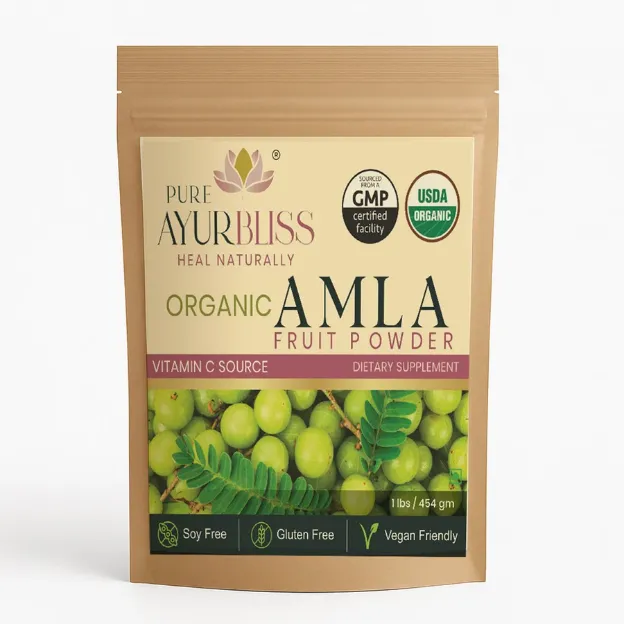
Amla has earned a lasting place in traditional Indian wellness because of its distinctive taste, nourishing qualities, and wide range of culinary and herbal uses. Also known as Indian gooseberry, this small green fruit is valued in Ayurveda and is often included in routines that focus on balance and everyday care. People exploring natural solutions and supplements may come across Amla in fresh, dried, powdered, or tablet form. Understanding its traditional role, nutritional qualities, and practical uses can help readers make informed choices. Rather than viewing one herb as a complete answer to health concerns, it is more useful to see how Amla can complement sensible food choices and healthy daily habits.
Understanding Amla and Its Place in Ayurveda
The fruit contains vitamin C and various naturally occurring plant compounds, including polyphenols. These components contribute to its nutritional interest and help explain why Amla remains a familiar ingredient in traditional wellness practices.
In Ayurveda, Amla is commonly associated with rejuvenation and nourishment. It is often discussed in relation to balance among the three doshas, although traditional interpretations depend on the individual, preparation, and wider lifestyle. Its place in traditional care reflects a long history of use as both food and herb.
Traditional Uses of Amla in Everyday Wellness
Amla has been incorporated into food, drinks, and herbal preparations for generations. Its naturally tart flavour makes it suitable for chutneys, preserves, and other recipes, while dried forms can be used in powders and blends. In traditional practice, it is valued as a nourishing ingredient that can be included in a varied diet.
1. Supporting a Nourishing Diet
Amla provides vitamin C and other plant compounds, making it a useful addition to a varied eating pattern. It can complement fruits, vegetables, whole grains, and other nutrient-rich foods rather than replacing them.
2. Traditional Digestive Care
Amla has a place in Ayurvedic preparations associated with digestion. Its taste and traditional properties have made it part of food-based and herbal routines.
3. Antioxidant Interest
The fruit contains vitamin C and polyphenols, compounds studied for their antioxidant activity. Antioxidants help protect cells from oxidative stress as part of the body’s normal processes, although eating Amla should not be presented as a treatment for disease.
4. Skin and Hair Traditions
Amla appears in traditional skin and hair care practices, including topical preparations and dietary routines. Its nutritional profile contributes to interest in the fruit, but results from topical or oral use are not guaranteed and depend on many factors.
5. A Familiar Ingredient in Herbal Formulations
Amla is used on its own and in combinations with other herbs. One familiar example is Triphala, a traditional blend that includes Amla with two other fruits.
Why Choose Amla in Powder Form?
Different forms of Amla suit different preferences. Knowing how to compare these forms helps shoppers choose products that suit their preferences and everyday routines. Fresh fruit may be seasonal and has a strong sour taste, while tablets offer a ready-to-use option. Amla powder provides flexibility because it can be measured and added to suitable drinks or recipes according to the product label.
Powder quality matters. Buyers should check the ingredient list, confirm whether the product contains only Amla or includes other ingredients, and review the serving guidance. Packaging should protect the powder from moisture and contamination. Clear batch details, expiry information, storage directions, and credible quality or certification information can also help shoppers assess a product. Avoid assuming that every powder has the same concentration or preparation method.
How to Include Amla Powder Thoughtfully
Amla powder can be mixed with water or incorporated into suitable foods, depending on the instructions supplied with the product. It is best to begin by following the recommended serving rather than taking larger amounts in the belief that more will produce better results.
A few practical considerations can make its use more intentional:
● Read the full ingredient list before purchasing.
● Follow the serving size and directions on the label.
● Store the powder in a cool, dry place as instructed.
● Use a clean, dry spoon when measuring.
● Stop use and seek advice if an unwanted reaction occurs.
Amla should remain one part of a varied diet, not a substitute for meals, prescribed treatment, or professional medical advice.
Choosing Quality Products and Setting Realistic Expectations
When selecting an Amla product, look for transparent information about ingredients, sourcing, manufacturing, and storage. Organic claims should be supported by relevant certification rather than assumed from words such as pure or natural. Read product descriptions carefully and be cautious of claims that promise rapid results or suggest that Amla can cure, prevent, or manage a medical condition.
Amla’s vitamin C and plant compounds make it a nutritious ingredient, but no single food or supplement can replace a balanced diet or medical care. People who are pregnant, breastfeeding, taking medication, or living with a health condition should ask a qualified healthcare professional before adding concentrated herbal products to their routine.
Conclusion
Amla has a meaningful place in Ayurvedic tradition because it is used as both a food and a herbal ingredient. Its vitamin C content, naturally occurring plant compounds, and versatility have kept it relevant in many wellness practices. Powder offers a flexible way to include the fruit, provided shoppers check product quality, follow directions, and maintain realistic expectations. Understanding the amla powder benefits means recognising its nutritional and traditional value without treating it as a cure or a replacement for healthy habits and appropriate healthcare.
If you are looking for Ayurvedic products that bring traditional ingredients into convenient forms, PureAyurBliss offers a range that includes Amla products alongside herbs such as Ashwagandha, Brahmi, Shatavari, Triphala, and Turmeric. Their collection features different product formats, including tablets and powders, for people exploring herbal wellness as part of everyday self-care.
