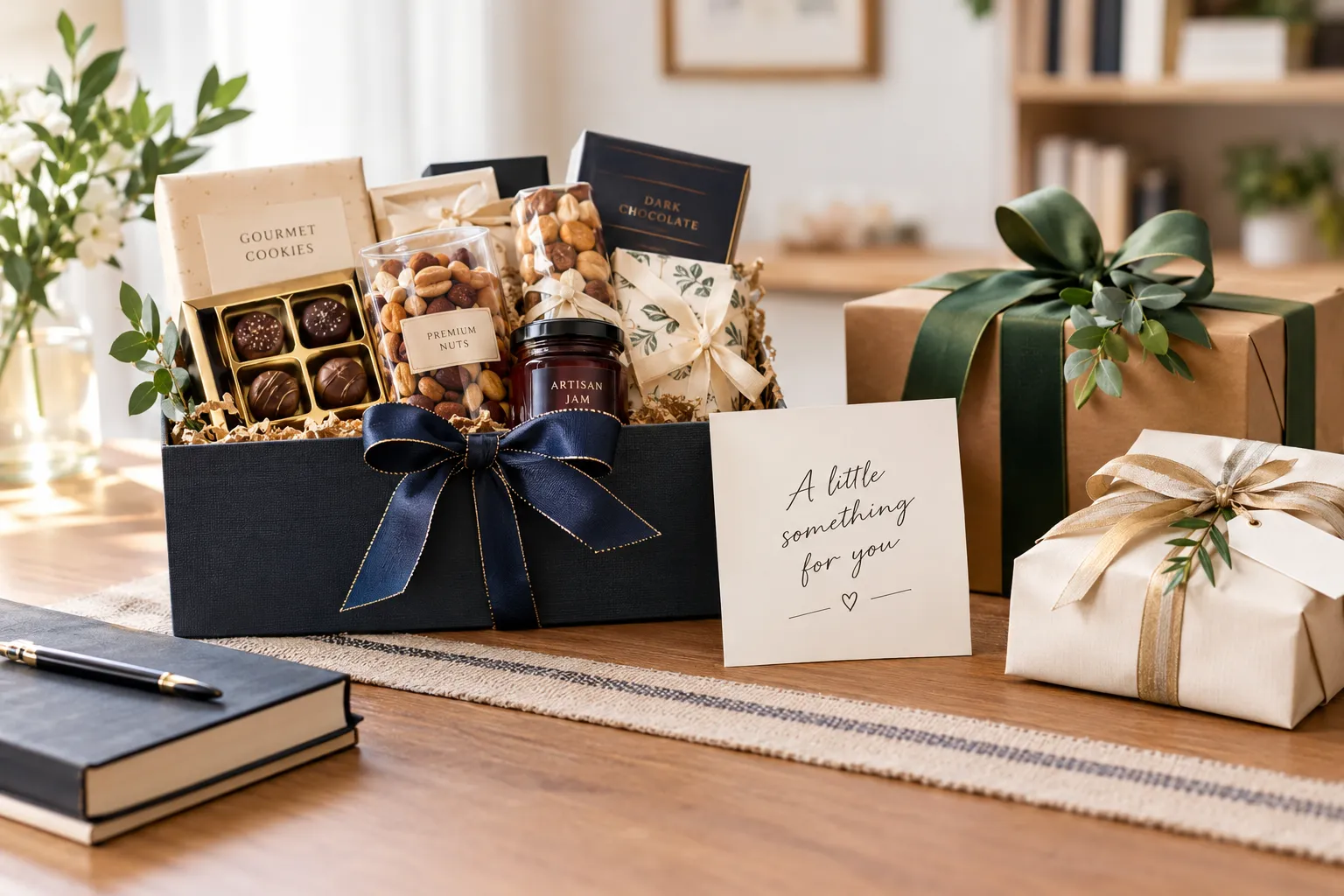
A meaningful gift can communicate appreciation, strengthen relationships, and turn an ordinary day into a memorable occasion. Whether someone is celebrating a birthday, recognizing a colleague’s achievement, welcoming a new team member, or thanking a valued client, the right present shows that time and consideration went into the choice. Yet finding a suitable gift is not always straightforward. Different recipients have different preferences, and a present that feels perfect for a close friend may not be appropriate for a professional contact.
The secret is to focus on the person, the occasion, and the message behind the gesture. Instead of choosing something simply because it is popular, consider what would make the recipient feel recognized. From personalized keepsakes to carefully assembled gift collections, thoughtful choices can make celebrations more meaningful without requiring an extravagant budget.
Why Thoughtful Gifting Matters
Gifting is about more than exchanging objects. It provides an opportunity to express gratitude, celebrate progress, and maintain connections that matter. A carefully selected present can communicate appreciation when words alone feel insufficient.
In personal relationships, gifts often reflect shared experiences, individual interests, or important milestones. A framed photograph may remind someone of a memorable trip, while a hobby-related accessory can show that you pay attention to what they enjoy.
Professional gifting serves a different but equally important purpose. It can recognize an employee’s contribution, celebrate a partnership, or welcome a new client. When handled appropriately, these gestures help create a culture of appreciation and respect.
The Difference Between an Expensive Gift and a Meaningful One
Price does not automatically determine a gift’s value. A modest present selected with the recipient in mind may be more memorable than an expensive item with little personal relevance.
Before making a purchase, consider three questions:
-
Does the gift suit the recipient’s interests or circumstances?
-
Is it appropriate for the relationship and occasion?
-
Does it communicate the intended message without creating discomfort or obligation?
These questions help narrow the choices and make the selection process more purposeful.
How to Choose the Right Gift for Any Occasion
A good gifting strategy begins with understanding the situation. The recipient’s preferences, the nature of the relationship, and the reason for celebrating should all influence the final decision.
Consider the Recipient’s Interests
Think about what the person enjoys, uses regularly, or has mentioned wanting. Someone who loves cooking might appreciate a specialty kitchen accessory, while a reader may value a beautifully presented edition of a favorite book.
When personal preferences are unclear, choose something versatile. Gourmet treats, useful home accessories, elegant stationery, and thoughtfully assembled gift boxes can suit a range of recipients when selected carefully.
Match the Gift to the Occasion
Different events call for different approaches. Birthday gifts can be playful or personal, while wedding presents often focus on the couple’s shared life. A housewarming gift might include practical home essentials, whereas a retirement present could celebrate the recipient’s achievements and future plans.
For seasonal celebrations, presentation and timing also matter. Ordering early gives you time to compare options, arrange delivery, and address any special packaging requirements.
Pay Attention to Presentation
Packaging influences the first impression a gift creates. A handwritten note, coordinated wrapping, or a reusable box can make a present feel more considered without significantly increasing its cost.
However, presentation should complement the gift rather than overshadow it. A simple, well-organized package with a sincere message often feels more genuine than elaborate packaging that lacks personal meaning.
Gift Collections That Make Celebrations Easier
Gift collections are useful when a single item does not fully capture the spirit of an occasion. By combining complementary products, they create a more complete experience and give recipients several things to enjoy.
Depending on the recipient and event, a collection might include gourmet snacks, confectionery, specialty beverages, home accessories, or keepsakes. The most effective combinations have a clear theme instead of bringing together unrelated items simply to make the package larger.
Choosing a Collection for Friends and Family
For personal celebrations, consider the recipient’s lifestyle and the kind of experience you want to create. A relaxation-themed box could include a candle, a soft blanket, and specialty tea. A food-focused collection might feature chocolates, artisan crackers, preserves, and other gourmet treats.
For adults who enjoy entertaining, champagne gift baskets can be an option for suitable celebrations, including anniversaries, engagements, and milestone birthdays. When choosing this type of gift, consider the recipient’s preferences, local regulations, delivery requirements, and whether alcoholic beverages are appropriate for the occasion.
A thoughtful collection should feel tailored rather than generic. Even when selecting a ready-made package, you can add a personal card or choose a theme connected to a shared memory.
Professional Gifting: Building Stronger Business Relationships
In the workplace, gifting requires additional consideration. A professional present should communicate appreciation while respecting company policies, cultural expectations, and the boundaries of the business relationship.
Organizations use gifts to acknowledge employee milestones, thank clients, welcome partners, and mark the completion of important projects. A consistent approach can make these gestures more meaningful and prevent last-minute decisions that feel impersonal.
Selecting Gifts for Employees and Clients
The most suitable professional gifts balance quality, usefulness, and broad appeal. Premium stationery, practical desk accessories, gourmet collections, and experience-based presents can work well for different recipients.
When purchasing for a group, consider whether the gifts offer comparable value and whether individual preferences or dietary requirements need to be accommodated. Personalization can be helpful, but it should remain professional and respectful.
Corporate wine gift baskets may be appropriate for certain client celebrations, business milestones, or seasonal thank-you gestures, provided the recipient is comfortable receiving alcohol and the relevant company policies permit it. For more inclusive gifting programs, non-alcoholic gourmet collections can provide an alternative.
Before sending any business gift, review the recipient organization’s gift acceptance rules. Some industries and public-sector organizations have strict limits or prohibit gifts altogether. A modest, transparent gesture is generally easier to manage than one that could be perceived as an attempt to influence a business decision.
Planning a Corporate Gifting Budget
A practical budget helps businesses maintain consistency without sacrificing thoughtfulness. Rather than focusing only on the price of each item, account for packaging, personalization, shipping, taxes, and potential replacement costs.
It is also useful to establish different spending guidelines for routine appreciation, employee recognition, and major business milestones. These guidelines can help teams make decisions fairly and avoid creating unintended expectations.
For recurring programs, keep a record of recipients, occasions, delivery dates, and preferences where appropriate. This makes future planning more efficient and reduces the likelihood of sending duplicate or unsuitable gifts.
Common Gifting Mistakes to Avoid
Even a generous gift can miss the mark when practical details are overlooked. A little planning can prevent unnecessary complications.
Choosing Without Considering Preferences
A gift should reflect the recipient rather than the giver’s personal tastes. If you are unsure about someone’s preferences, choose a flexible option or provide a choice between several suitable gifts.
Overlooking Delivery Timelines
Last-minute purchases can limit availability and increase shipping costs. For important celebrations, confirm the expected delivery window and allow extra time for personalized products or busy holiday periods.
Making Workplace Gifts Too Personal
Professional gifts should maintain appropriate boundaries. Avoid presents that could be interpreted as overly intimate, politically sensitive, or inconsistent with workplace expectations.
Forgetting the Message
A gift without context can feel transactional, especially in business settings. A brief, sincere note explaining why you are expressing appreciation can make the gesture more memorable.
A Simple Checklist for Better Gift Planning
Before finalizing a gift, review the following points:
-
Recipient: Have you considered their interests, needs, and preferences?
-
Occasion: Does the present suit the event and relationship?
-
Budget: Does the total cost include packaging and delivery?
-
Presentation: Is the gift arranged neatly and accompanied by an appropriate message?
-
Practicality: Can the recipient receive, store, and use the item comfortably?
-
Policies: For professional gifting, have you checked relevant rules and restrictions?
This checklist works for individual celebrations as well as larger gifting programs. It encourages thoughtful decisions while keeping the process organized.
Frequently Asked Questions
What makes a gift thoughtful?
A thoughtful gift reflects the recipient’s interests, needs, or relationship with the giver. It does not have to be expensive; relevance and genuine consideration are often more important than price.
What are suitable gifts for professional occasions?
Gourmet collections, stationery, useful accessories, and carefully selected gift boxes can be suitable options. The final choice should reflect the occasion, company policies, and the recipient’s preferences.
How far in advance should gifts be ordered?
For ordinary occasions, ordering one to two weeks ahead can provide a useful buffer, although timing depends on the seller and destination. Personalized gifts and busy holiday periods may require more time. Always confirm the expected delivery date before ordering.
How can businesses make gifting more inclusive?
Businesses can offer a choice of gifts, consider dietary and cultural preferences, and provide non-alcoholic alternatives. Clear spending guidelines and consistent selection criteria also help make gifting fairer across teams.
Conclusion
Meaningful gifting starts with attention, not extravagance. By considering the recipient, choosing a suitable item, and presenting it with care, you can turn a simple exchange into a genuine expression of appreciation.
Whether you are celebrating a personal milestone or maintaining an important professional relationship, planning ahead makes it easier to select something appropriate and memorable. Thoughtful gift collections can simplify the process, while a personal note adds the human touch that makes the gesture distinctive.
For those exploring options for different celebrations, DC Wine & Spirits offers gift selections that can help make occasions feel special. Ultimately, the best gift is one that communicates consideration, respects the recipient, and strengthens the connection behind the gesture.